Oil prices jumped sharply on Monday, Apr. 20, as renewed geopolitical tensions in the Middle East rattled markets and revived fears of major supply disruptions.
Brent crude jumped about 5% to around $95/bbl, while US West Texas Intermediate (WTI) climbed into the high $80s. The latest price surge follows escalating tensions between the US and Iran, including the seizure of an Iranian cargo vessel and renewed attacks on commercial shipping.
Oil markets have whipsawed in recent days. Oil prices dropped 10% last week on expectations that the strait would reopen, only to rebound sharply as tensions flared again. The rebound underscores the sharp swings currently driving the market.
Crucially, uncertainty surrounding the Strait of Hormuz—a chokepoint responsible for roughly 20% of global oil flows—has returned to center stage. Disruptions or closures in the strait have immediate implications for global supply, prompting traders to bid prices higher. Mixed signals on ceasefire negotiations have added to market anxiety. While diplomatic talks have been discussed, recent incidents suggest the conflict could persist, keeping supply risks elevated. The next critical deadline is fast approaching, as the ceasefire agreement between the US and Iran is set to expire at 8 p.m. Eastern Time on Tuesday (early Wednesday morning in Tehran).
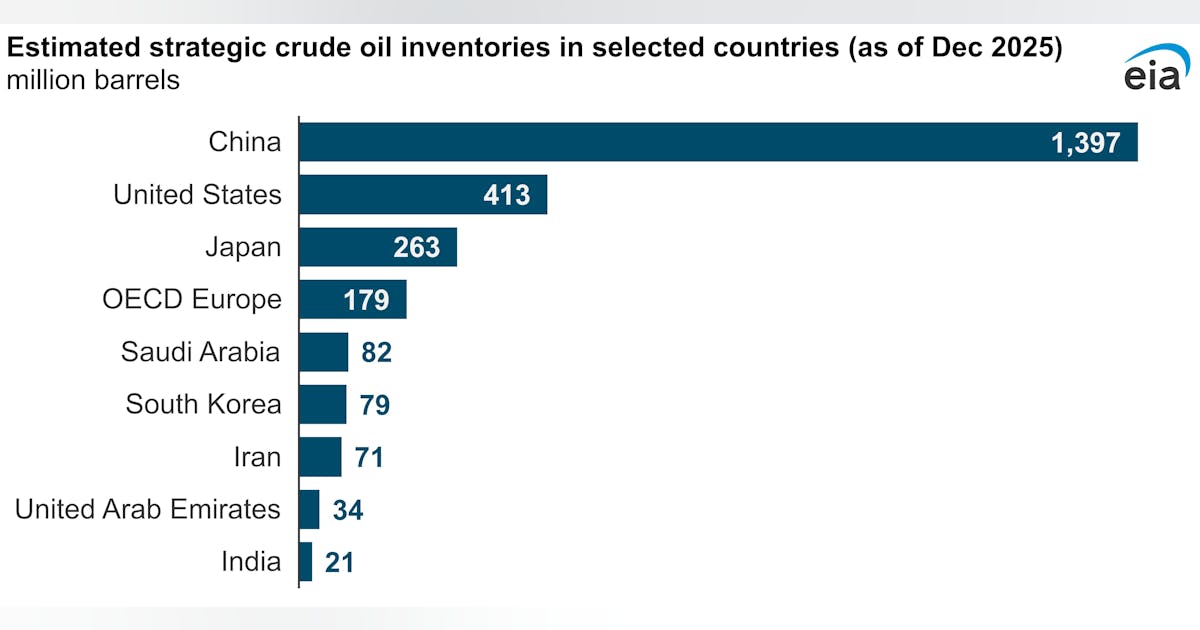
In response to ongoing disruptions, countries have begun tapping emergency stockpiles. Members of the International Energy Agency (IEA) have coordinated releases totaling hundreds of millions of barrels to stabilize markets.
Looking ahead, oil prices are expected to remain highly volatile, with key drivers including the pace of any full reopening of the Strait of Hormuz, the trajectory of US–Iran negotiations, and the degree of demand destruction triggered by sustained high price levels.