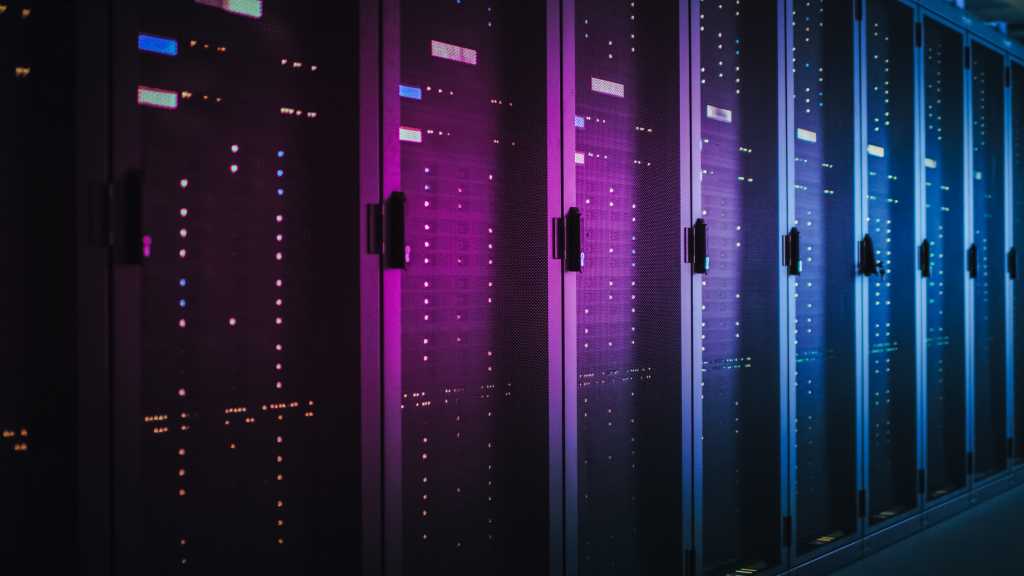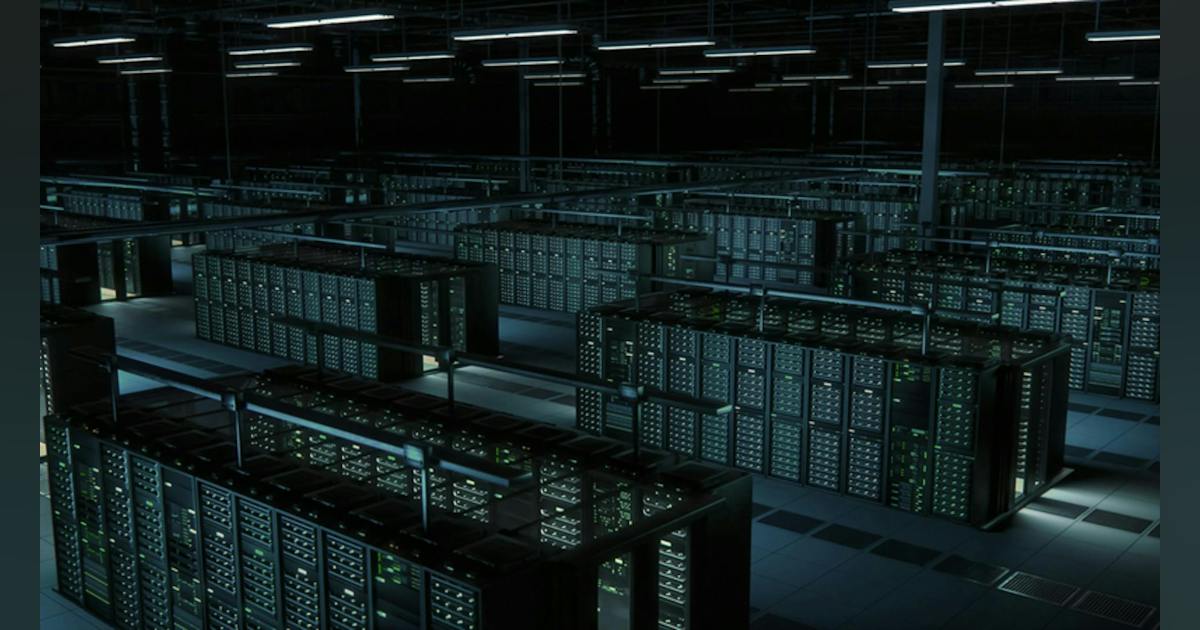
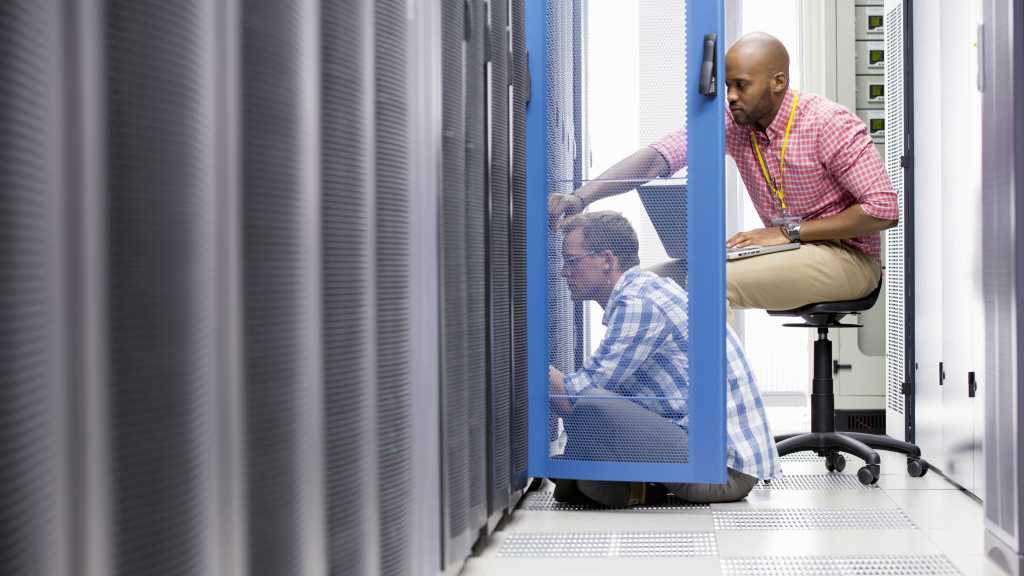
According to a report published by BBC Science Focus, the United States had more than 4,000 data centers by the end of 2025, representing approximately 50 gigawatts of capacity. Meanwhile, U.S. data centers consumed approximately 66 billion liters of water in 2023, highlighting the substantial environmental footprint of the industry.
These resource requirements have driven considerable opposition to new developments. A recent NBC News poll cited by the publication found that 69% of respondents would oppose construction of an AI data center in their neighborhoods. This is reflected in the recent elections, where pro-data center candidates lost badly while those who publicly opposed for the construction of data centers did well at the ballot box.
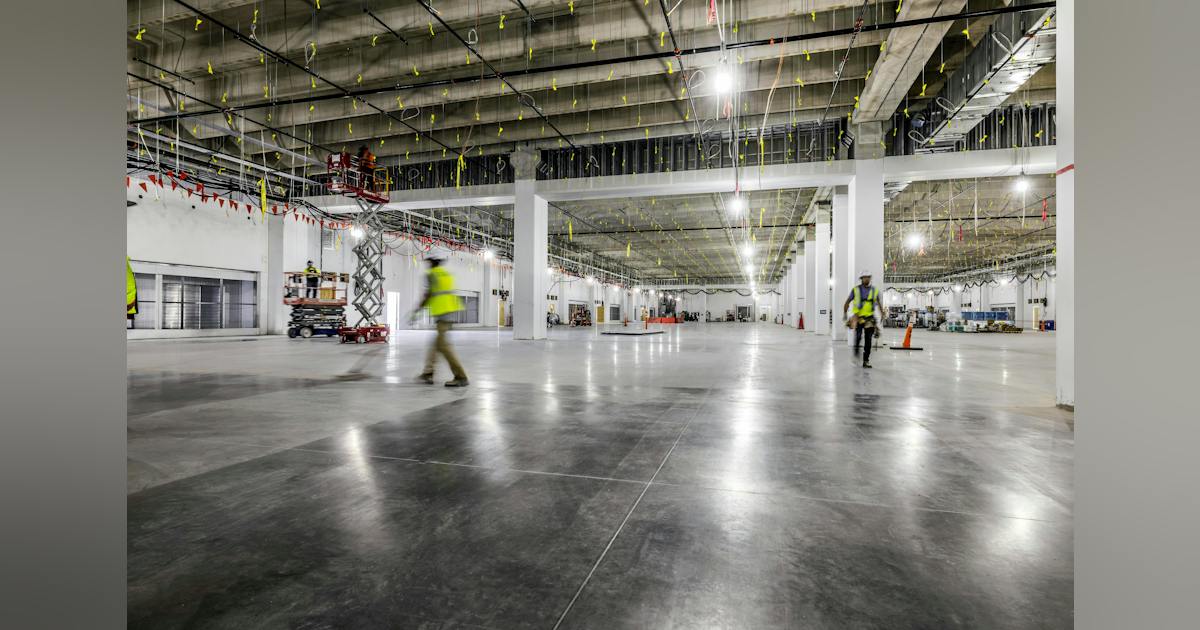
Data centers can provide economic benefits to the communities where they operate, including increased property tax revenues, permanent employment and infrastructure improvements. Developers sometimes finance upgrades to electrical substations, roads and emergency services to accommodate their facilities.